
Few schools teach real-world money management, leaving teens and college students vulnerable to financial money mistakes and student money pitfalls. This post highlights 5 major financial red flags for college students, so you’re prepared and protected.
1. Red Flag: Applying for a Credit Card Without Reading the Fine Print
- Why it’s risky: High APRs, annual fees, and “freebie” credit card offers can lead to unexpected debt.
- To do instead: Choose a low-limit student credit card or secured card, pay the balance in full monthly, and always check APR and fees information.
:max_bytes(150000):strip_icc()/GettyImages-103405221-8696f029989f4b7bb3270a18ac983aaa.jpg)
2. Red Flag: Ignoring Your Bank Account Balance
- Why it’s costly: Overdraft and insufficient funds fees can add up faster than you think.
- To do instead: Use daily bank alerts, review your balance each morning, and set up low-balance notifications.

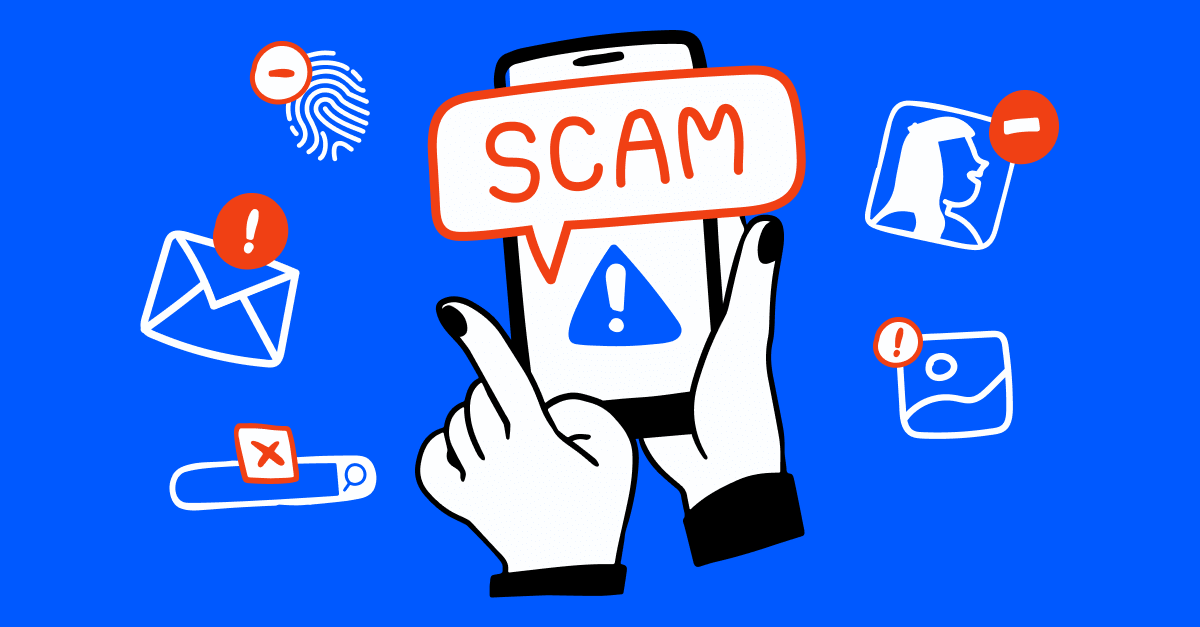
3. Red Flag: Falling for Easy Money or Online Scams
- Warning signs: Promises of fast cash, requests for personal info, or pushy “buy now, pay later” schemes.
- To do instead: Pause—and ask trusted adults. Search for reviews, verify companies, and never share banking details online without confirming sources.
4. Red Flag: Emotional or Impulsive Spending
- Problem: Retail therapy often leads to buyer’s regret and budget cracks.
- To do instead: Create a fun money budget, wait 24 hours before splurging, and track each purchase using tools like Mint or YNAB.

5. Red Flag: Not Knowing Where Your Money Goes
- Why it matters: Guessing where your money went leads to poor financial health.
- To do instead: Use free budgeting tools or spreadsheets. Track every expense for 30 days to build realistic budget habits.

Bonus Red Flag: Relying Only on Cash Apps to Manage Your Money
The Red Flag: Treating Cash Apps Like a Bank
If you’re only using Cash App, Venmo, or Zelle to move money, you might be missing out on key financial tools like savings features, interest earnings, or fraud protection. These apps are convenient, but they’re not built for money management.
What to Do Instead: Open a Real Bank or Credit Union Account
A traditional checking and savings account with a reputable bank or credit union gives you access to:
- FDIC or NCUA insurance
- Automatic savings tools
- Overdraft protection options
- Better tracking and budgeting features
💡 Many online banks (like Chime or Ally) are student-friendly and offer fee-free accounts with budgeting tools built in.
Why It Matters
Relying only on peer-to-peer apps makes it harder to:
- Build credit history
- Establish financial habits
- Protect yourself from fraud
- Save money strategically
You don’t have to give up Cash App, but it should complement your financial system, not be your system.

FAQ Section
Q: What financial red flags should college students watch out for?
A: Look for credit card traps, ignoring balances, too-good-to-be-true schemes, emotional spending, not tracking money, and being unclear on student loans.
Q: How can teens avoid money mistakes?
A: Use clear budgets, start with low-limit student cards, monitor your bank account daily, and never rush into financial decisions.
Q: Where can I check my student loan details?
A: Visit StudentAid.gov to access your loan history, servicer info, interest, and repayment plans.

Final Thoughts
Spotting these financial red flags for college students early equips you to build strong habits, avoid traps, and keep your financial health on track. Personal finance isn’t taught in school, but you’re already learning. Share this post with friends who could benefit, and empower more students to make smart money moves.
Did I miss something? Feel free to comment below and don’t forget to like a subscribe to not miss out on any future posts.
See you in my next post!
– Estefany


 The Generational Shift
Leave a comment